The burning question: Does tobacco have a future in a healthy world?
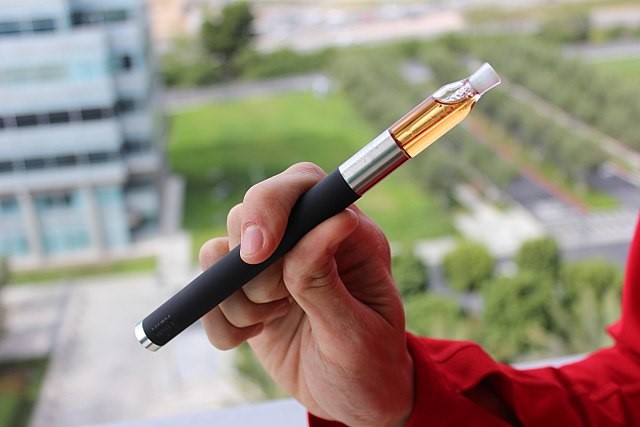
Few dispute the fact that smoking tobacco is linked to lung cancer and other health issues. However, the route to a healthier world without smoke is not without dangers of its own.
Recognising the urgency of the global climate and natural emergencies, St Andrews has established three pathways to lead real and inclusive change; Sustainability Positive – our commitment to society that our research, education, impact, and entrepreneurship will improve the environment; Carbon Net Zero – our commitment to reduce carbon dioxide and greenhouse gas emissions dramatically across the full extent of the University’s activities, and manage unavoidable emissions responsibly; and Climate Adaptive – our approach to sustaining the University’s ability to operate in an irrevocably changing climate.
Few dispute the fact that smoking tobacco is linked to lung cancer and other health issues. However, the route to a healthier world without smoke is not without dangers of its own.
One watermark for truly impactful research can be how widely it is used. Marine research from the University of St Andrews has been used in a range of industries, from the sonar activities of naval forces to the placement of wind turbines.
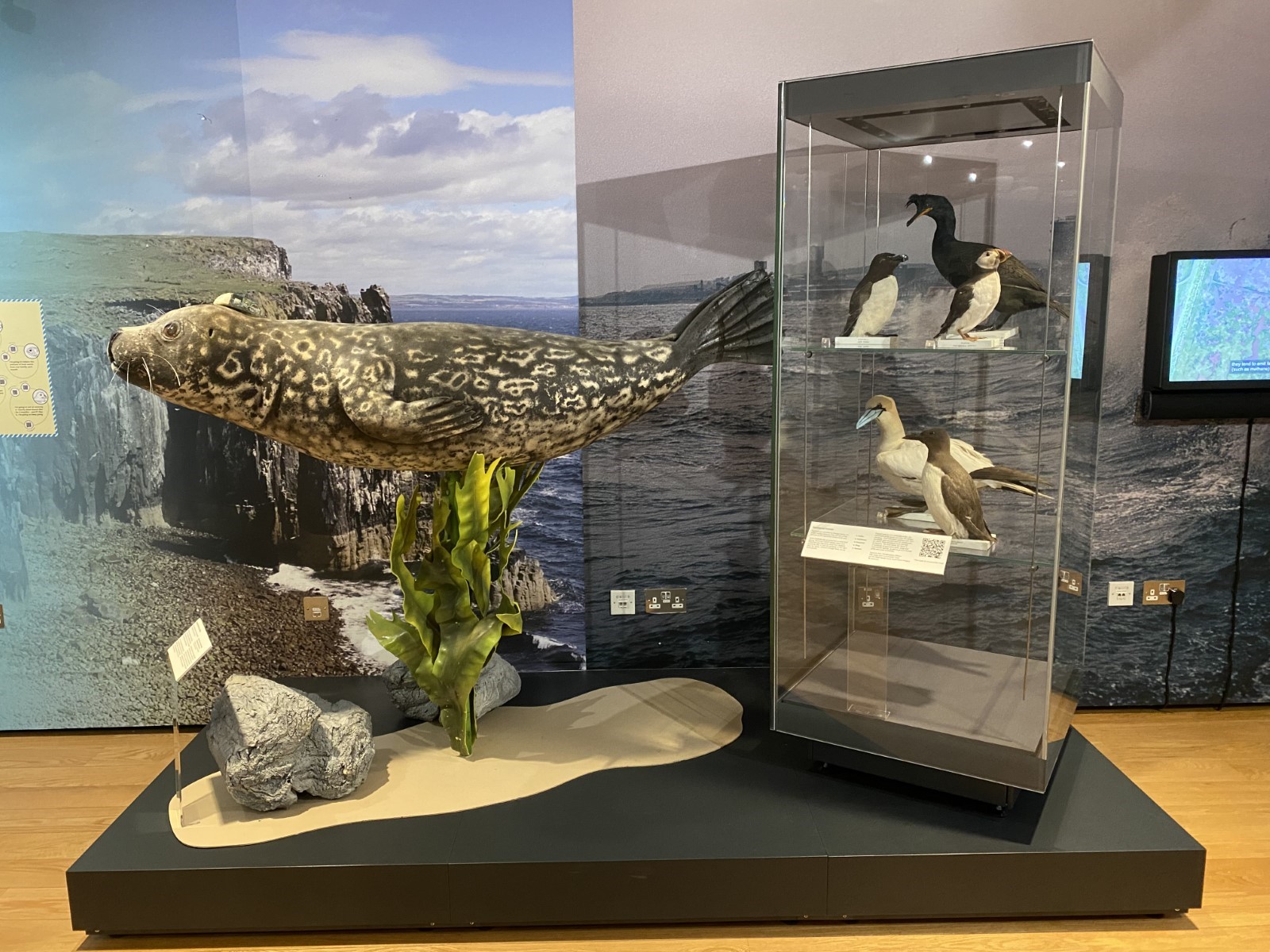
‘Dive In! Protecting Our Ocean’ The University of St Andrews’ Wardlaw Museum recently announced Dive In! Protecting Our Ocean, its new exhibition, digital content and events programme highlights the wonders of the ocean, the challenges it faces, and the actions that we can take to save it.
What support do we need to stay alive? Who gets this support, and who is left in the cold?
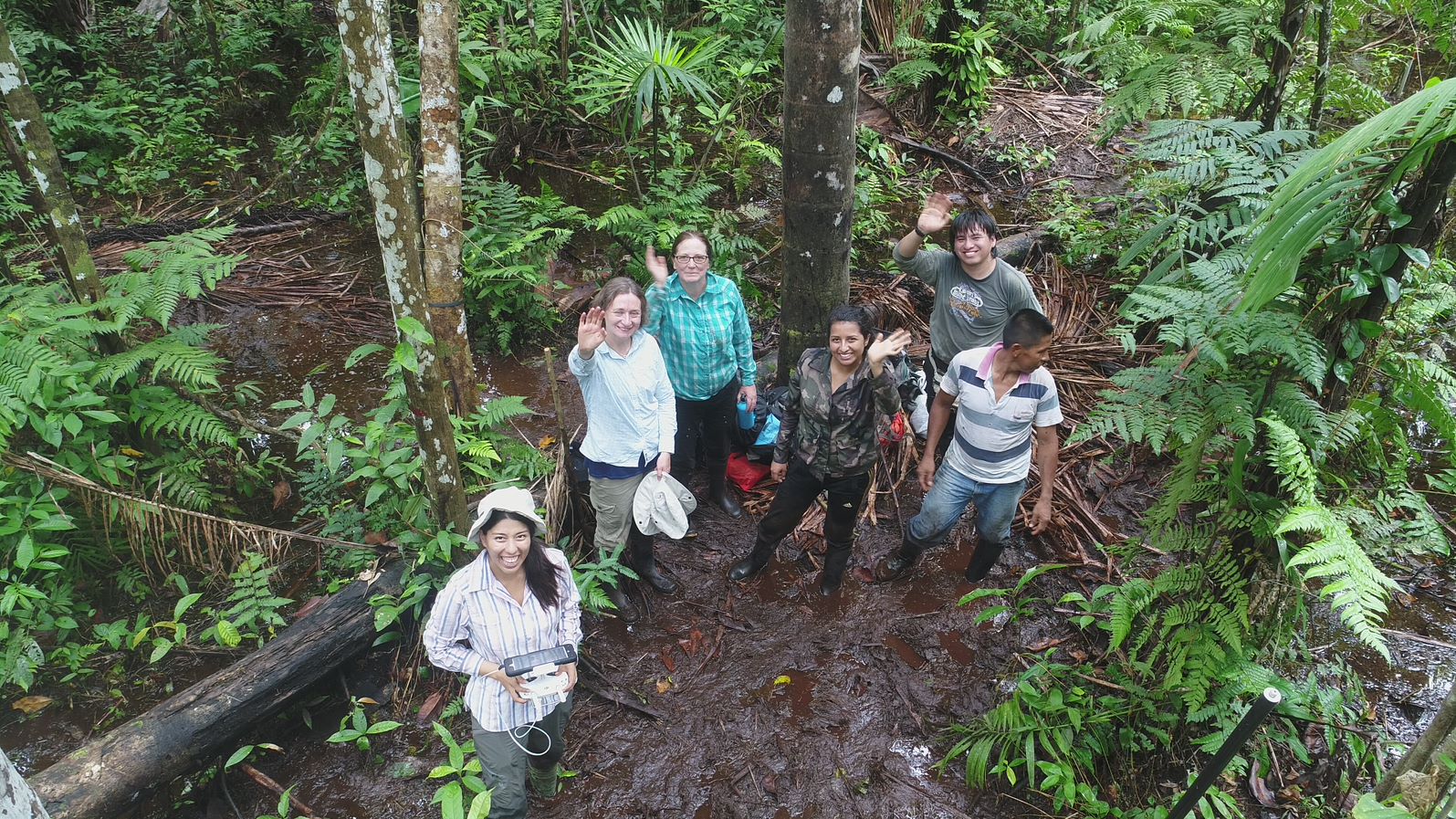
The University’s Peatland Research Group works hard to understand the role tropical peat plays in our ecosystem, and just as hard to translate their groundbreaking research into action.