
Burying Emissions at Sea
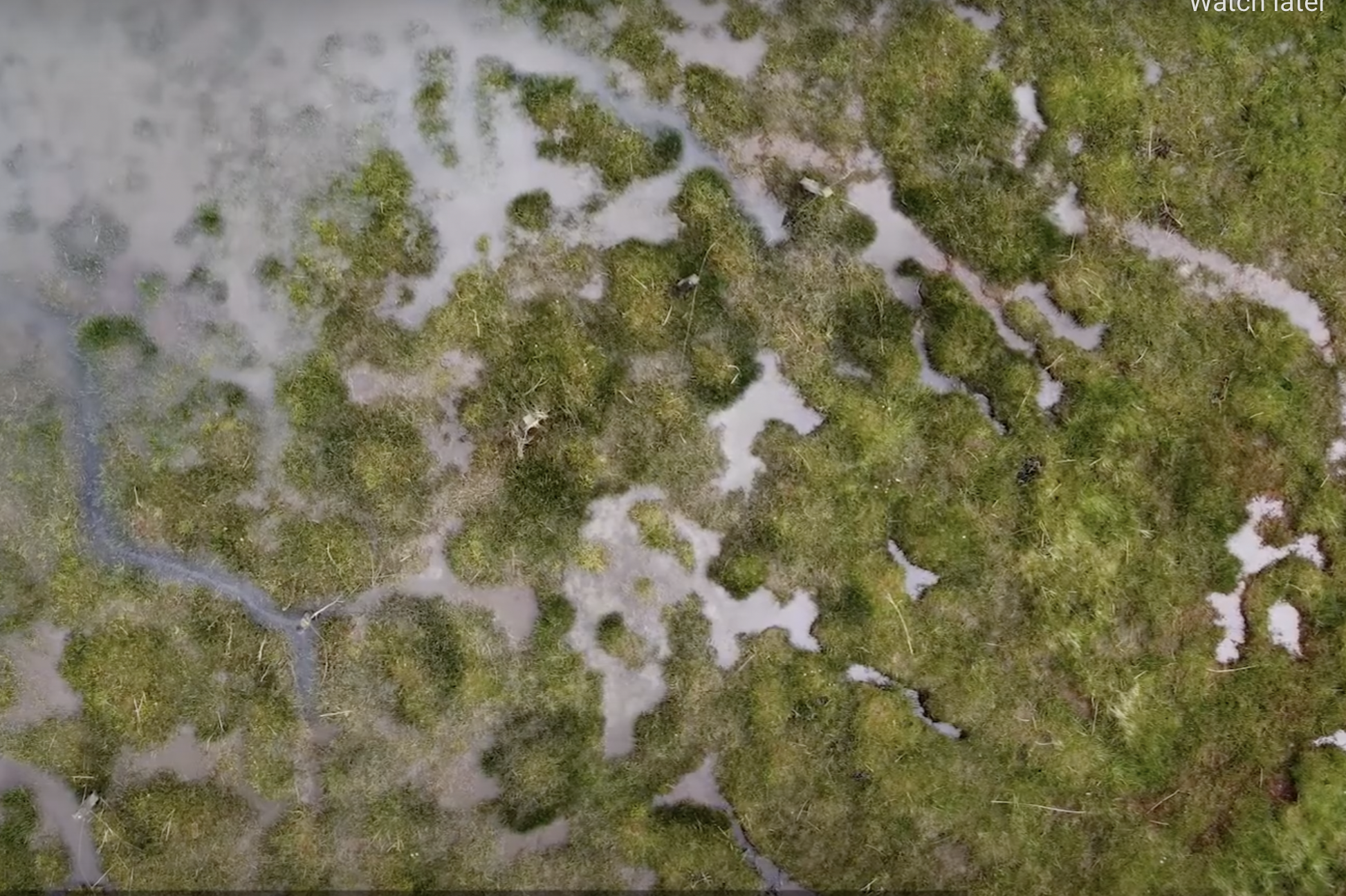
‘Blue carbon’ has historically been neglected as a carbon capture mechanism, but realising its full potential has changed the climate decisions of governments, businesses and ordinary people.
‘Blue carbon’ has historically been neglected as a carbon capture mechanism, but realising its full potential has changed the climate decisions of governments, businesses and ordinary people.
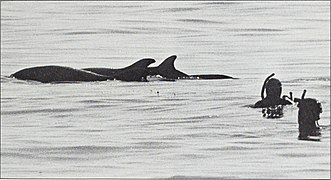
One watermark for truly impactful research can be how widely it is used. Marine research from the University of St Andrews has been used in a range of industries, from the sonar activities of naval forces to the placement of wind turbines.
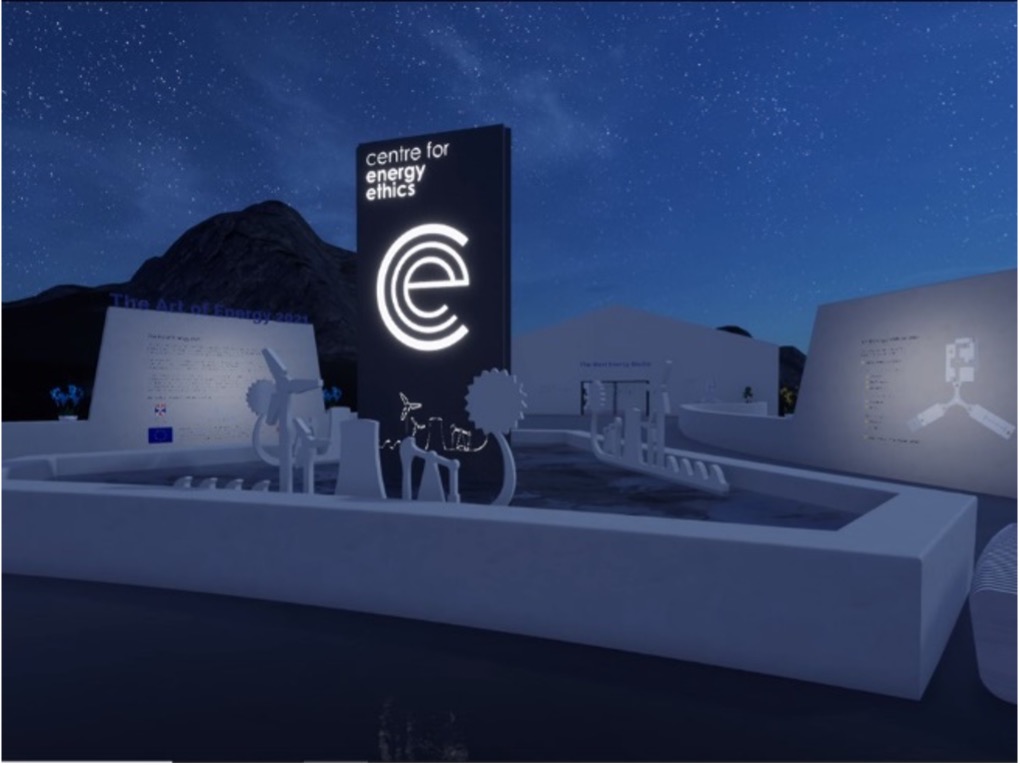
The first of its kind in the world, the Centre for Energy Ethics brings together the arts and humanities with the social, natural and material sciences. The Centre aims to engage members of the public through initiatives like the virtual gallery, which is open now.
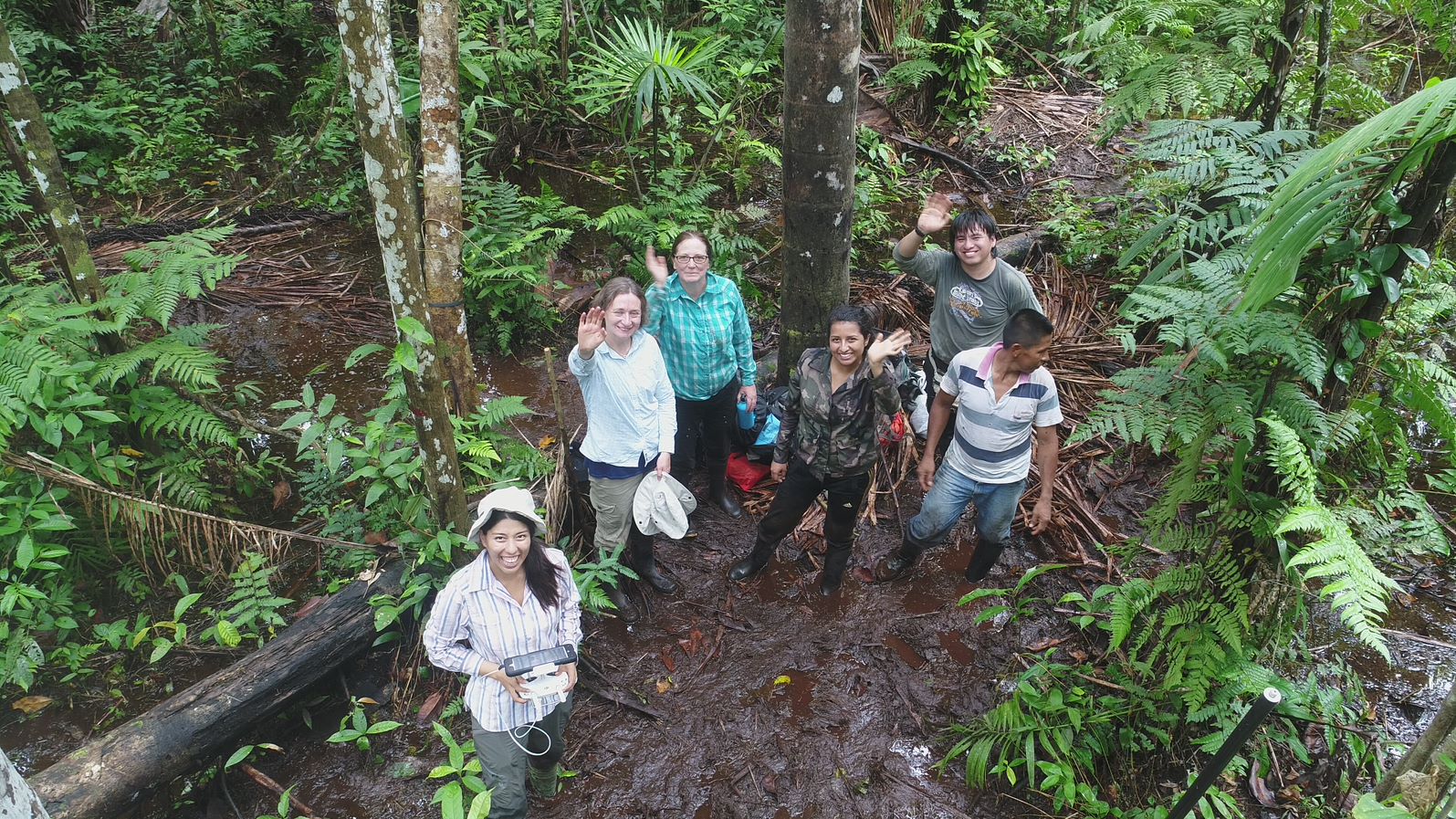
The University’s Peatland Research Group works hard to understand the role tropical peat plays in our ecosystem, and just as hard to translate their groundbreaking research into action.
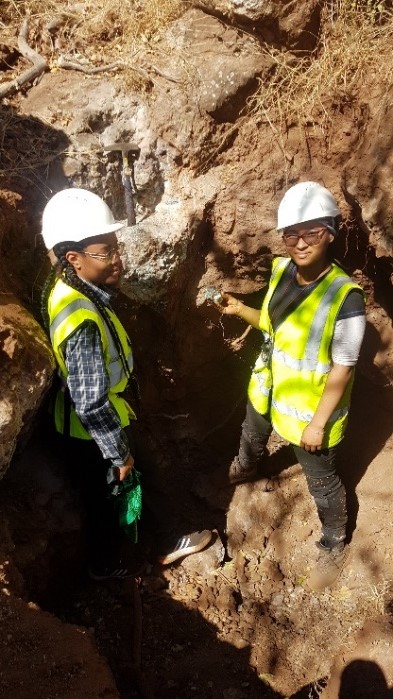
GCRF Funding Cycle2018-19 Principal InvestigatorAnouk Borst SchoolsEarth & Environmental Sciences ODA countriesAngola Sustainable Development Goals Investment associated with natural resources is one of the key ways in which developing countries make rapid changes in wealth and infrastructure. This project assesses the geology of alkaline igneous complexes in Southern Angola and their potential to host exploitable … Read more